My experience and tips of capturing Fashion Week shows behind the scenes and on the runway in Paris, Milan and New York.

What is Fashion Week and How it Works
The Official Fashion Week in Fashion Capitals (The historical big 4: Paris, Milan, London, New York) each has it's own council that organises the schedule. There are Fashion Weeks held in other cities around the world during the same period, and other events and exhibitions happening in the same time, referred as fashion months occurring twice a year. Ireland for example has Ireland Fashion Week and Dublin Independent Fashion Week.
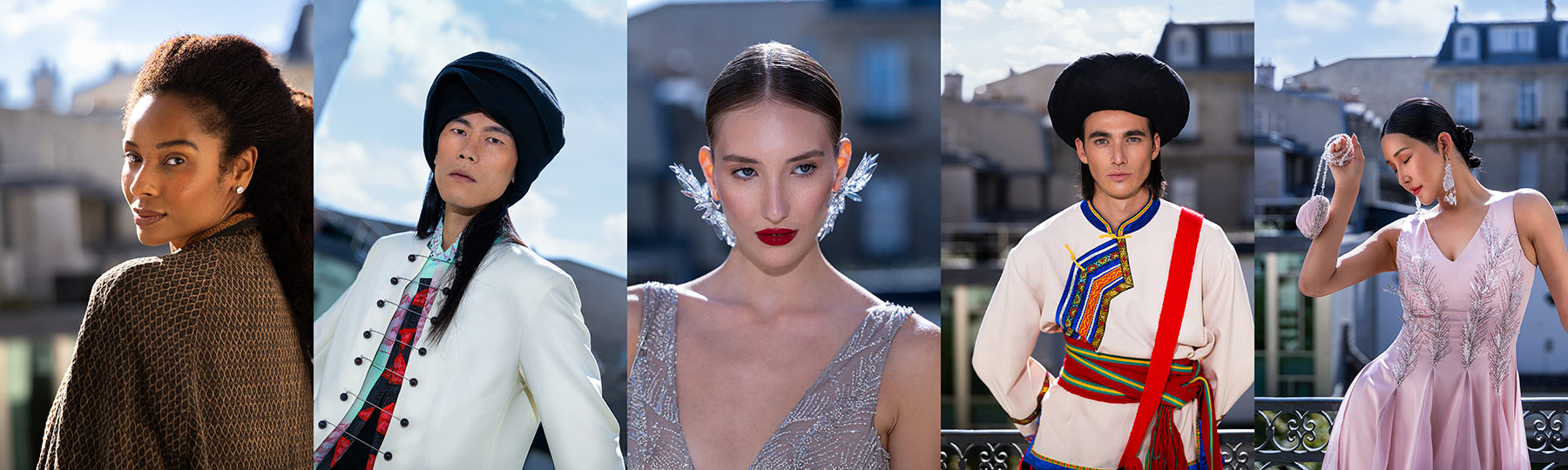
The renowned brand shows are huge productions costing up to millions of dollars. For an individual or a smaller brand producing their own show can also turn extremely costly. Production companies and producers run shows as well featuring multiple brands that can offer the designer or brand an all-inclusive package with press coverage, models, makeup and hair.
Behind the Scenes Photography
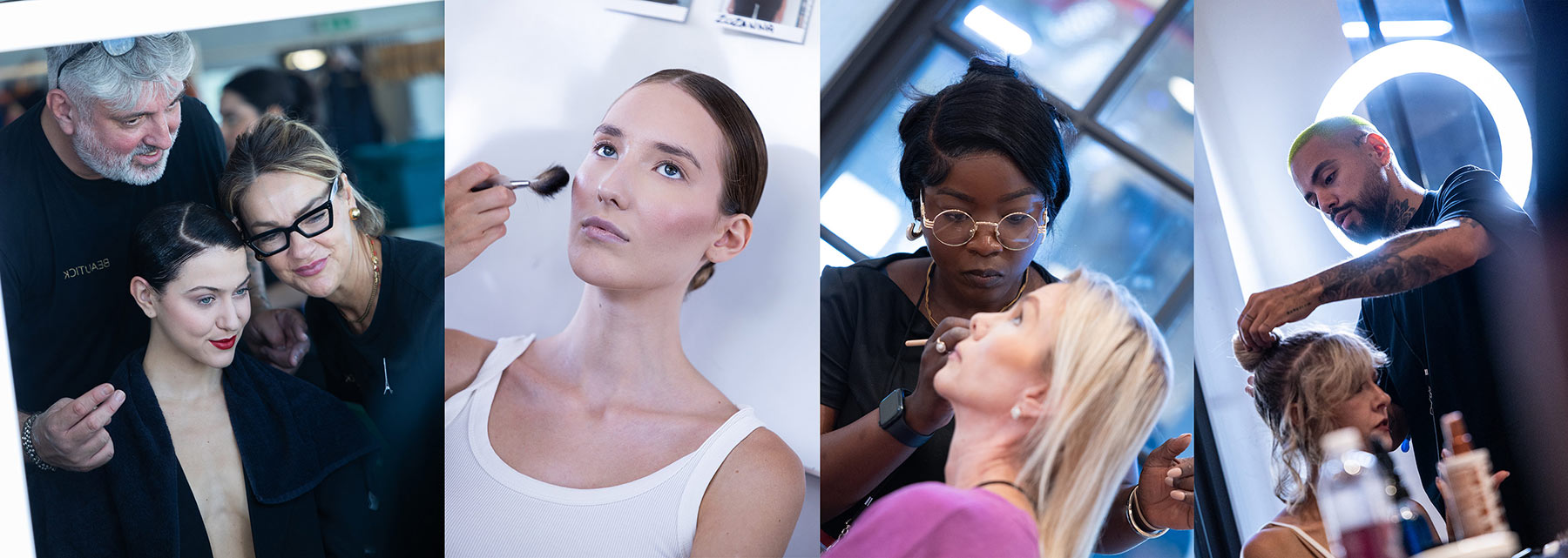
The backstage is chaos with a ton of people often in small spaces. Multiple teams working with a minute to minute schedule to get models ready, adjusting small details until the model walks to the stage.
Your job as a photographer is to stay out of the way. I could not stress enough that backstage is not about your perfect photo. Don't direct people unless asked to, you're there to observe and document.
I would personally never use flash backstage to avoid disrupting and distracting an artist working on someone's face or hair. Only for finished stage ready work. Often times the makeup or hair artist already has their own light setup. If you need extra light a led panel on you camera or hand can do the job. Though even that can be distracting. Try to find the moments and angles when the subject is in good light. I've seen someone having their camera's orange AF assist beam in low light conditions distracting a makeup artist so much they had to ask the photographer to stop. And that beeping sound your camera makes when auto focusing? Go to settings and turn that off as well.

BTS photos are essentially event photography, but instead of a corporate event or wedding all your subjects are at work under massive pressure. As with any event photography your job is to show the people in their best light. Every shot should be something the person working in it could use for their website or social media, or be shared by the event.
When it comes to lenses you're likely best off with a with a zoom lens that allows you to capture some wider context and to also get detail shots without being in anyone's way. Something like a 24-105 mm. Nobody wants a photographer in their face trying to get details up close in a tight space with a 50 mm.

Shooting the Runway
The house photographer and videographer always have the best spot. Otherwise it's first come first served. If you want to be at the end of the runway in the center to catch that perfect pose, you simply have to arrive as early as they'll let you in. Likely you'll be standing there to hold your spot, probably for hours. Someone's bag or equipment might already be there to reserve their spot. Chances are there're 20+ other photographers trying to get the same shot. Some venues especially in historic Parisian buildings have multiple spots with shorter runways the models will stop at and pose. Sometimes the route goes through different rooms. Though the secondary spots are harder to work with as usually the light is worse and as the walking distance for the model is shorter, you'll have less time to get your images.
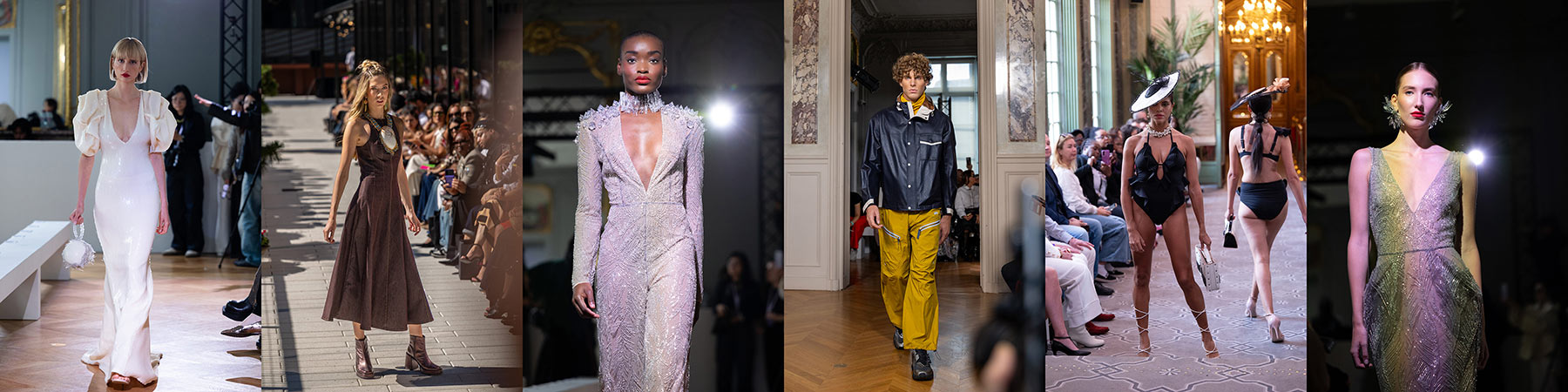
The rehearsal run before guests are let in can be a great opportunity to get nice photos and get your settings right.
With a zoom lens you can shoot the walk and the stop and pose. Be sure to have a lens that covers both distances if you'll want a wide shot for the model in front of you and walking down from further away. Or two cameras, you'll have no time to swap prime lenses. It's a good idea to figure out your manual exposure. Sometimes you'll be shooting indoors with great or not so great house lights, sometimes outdoors into direct sun light. Burst mode will come in handy as well. If you intend to capture an entire show with multiple brands or designers, be sure to have enough batteries for your camera. It can easily be up to thousands of images.

Photography Opportunities
There's a few different routes and roles to end up taking photos at Fashion Week events.
For an aspiring photographer hoping to shoot fashion shows you can contact the organising body, or an individual show/producer to see if you could capture the event. Sometimes there is a pathway on the website to register to a directory where they collect and list volunteers, especially with the smaller or independent Fashion Weeks. This is a great way to gain experience and build your portfolio.
Paid jobs and opportunities can be rare and hard to come by. A few options based in my experience include:
- Photographer working for a publication/media.
- Being listed and sent by an agency.
- Freelance for a production company to work on the official shots of the event. One person often shoots general shots, another details like accessory and jewelry, and so on.
- Work directly with a designer, brand.
Surely there are other ways and like in anything it's about networking, showing up and luck. Once you've officially been registered at a show you might get an invitations the next year.
Let's Work Together!
I love working with designers and brands. Being based in Dublin Ireland allows me easy travel to Fashion Capitals. To book Fashion Week shoots or other fashion photography, simply send a message through the contact form or book directly through the calendar.