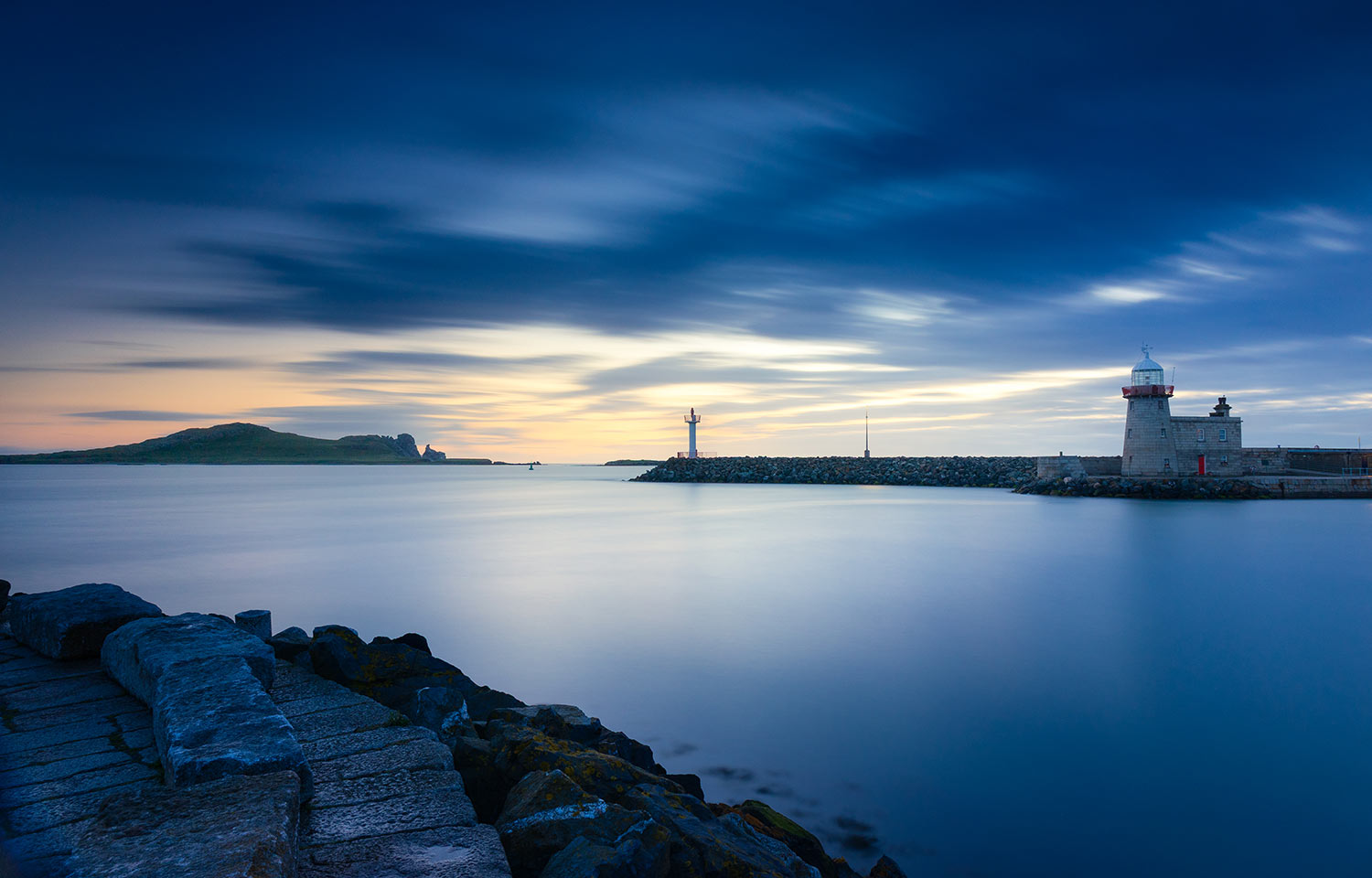
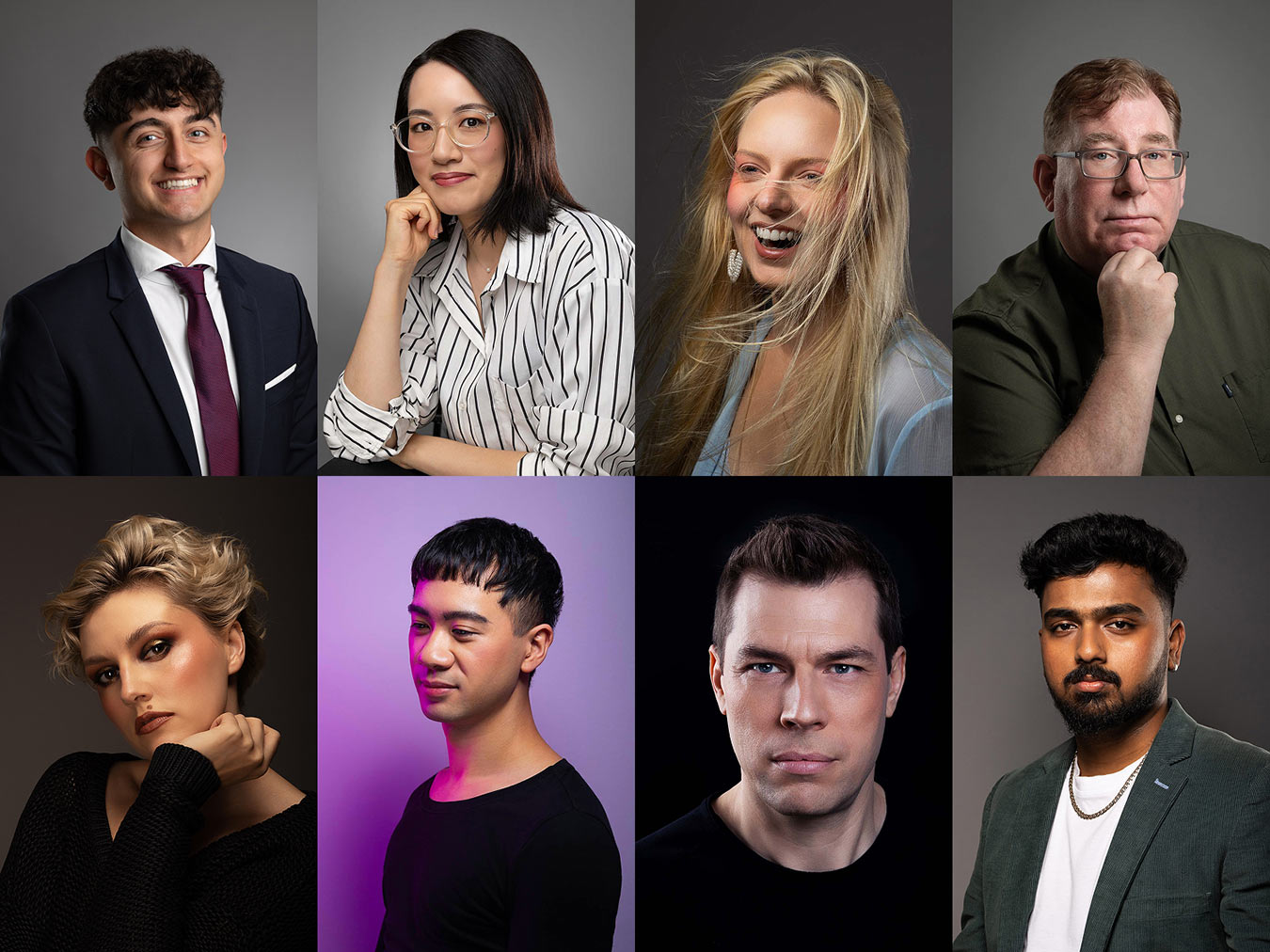
Remember when cookie notices and GDPR became a thing and every business had to comply or face penalties? The same thing is now happening with AI generated marketing content, images and text. Starting from August 2nd, 2026 (yes next month) AI generated content will need to be visibly labelled as such or risk penalties up to €15 million or 3% of a company's total worldwide annual turnover.
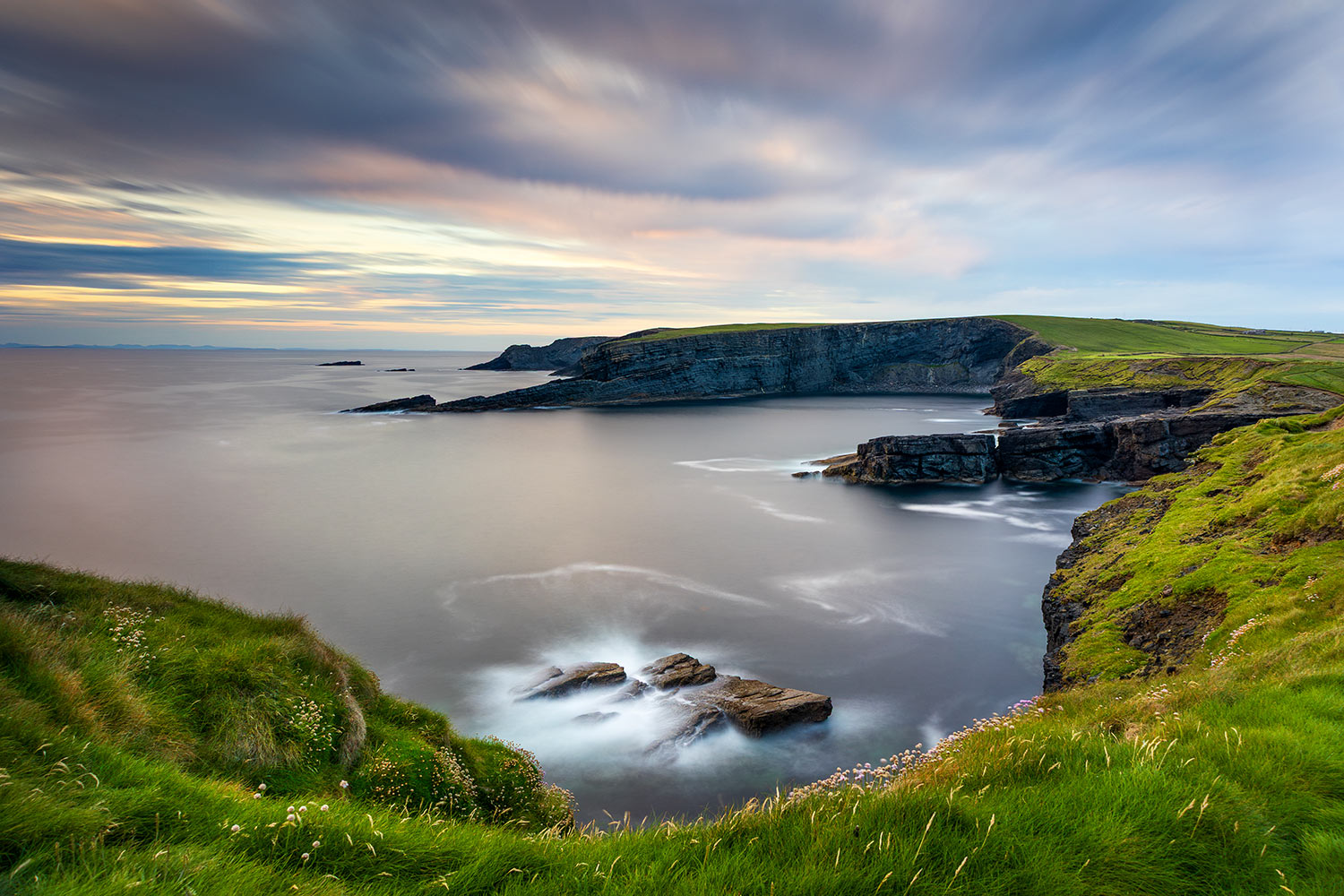
Essentially any image generated out of nothing with a prompt for your marketing purposes will fall under this. For example anything featuring a product or supposedly real people or places. Do you have these on your website? In essence the customer needs to be able to tell what is real, which makes perfect sense. Only evidently creative, satirical and fictional images are exempt.
How Will the Label Be Received?
Personally I can already see the "AI Generated" label working as a reverse quality label, very opposite to when choosing organic vegetables, fair trade or cruelty free products for example (positive labels). Now you can choose to not buy or interact with AI content. Brands supporting real humans and creators will likely be viewed in a more positive light compared to AI labelled ones, likely reflecting as cheap or unethical.
I’m expecting social platforms to introduce a simple filter so you can choose not to see AI generated content in the first place. It will be so easy to implement that with visual labels and metadata. A browser extension will do this in any case.
Will AI Labels Affect Photographers?
As a photographer I’ll never have to deal with this as all my work, product images for example are originally captured, created and copyright protected the moment the shutter closes, with raw files to prove it. Just like the image above of George’s Head in Kilkee, Co. Clare at sunset in a two minute exposure.
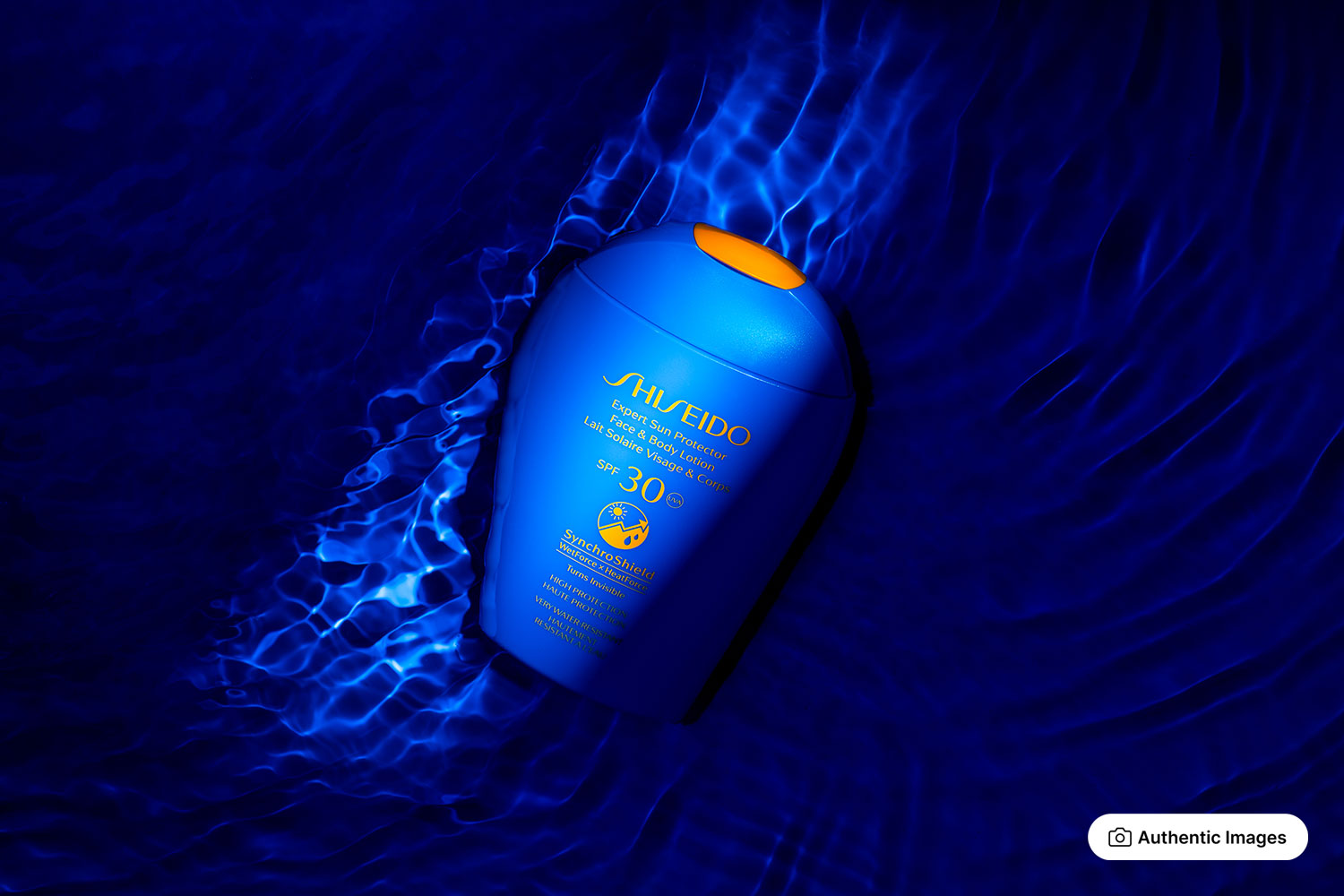
If you generate images, even trained with original images they will need one of the labels. A fully generated image has to be labelled as "AI generated", and even if the product is a real shot but the rest is generated, it'll have to be labelled as "AI modified". Lately we've seen fashion brands using fully generated images with models that do not exist (or sometimes using someone's likeness without permission) wearing a generated representation of their product. All of that needs to be labelled now as AI.
I'm Not Anti-AI Per Se
Don’t get me wrong, I think AI has its places in creative industries as well and not all use is equally bad or unethical. It can speed up repetitive workflows, help with moodboards or placeholder content in designs etc. etc. In research AI can be a wonderful help. It does grind my gears however when human creativity is completely replaced by a machine, based on stolen IP, or junior roles cut without thinking about future (AI doesn't have the experience or taste you only get through repetitions and mistakes). I could also go into depths why you do not need a subscription or all these data centers as you can run any of the hundreds of AI models locally for free on your own machine in about two clicks. But that’s another discussion on the tech giants business models and environmental impact beyond the AI Act.
Sources: